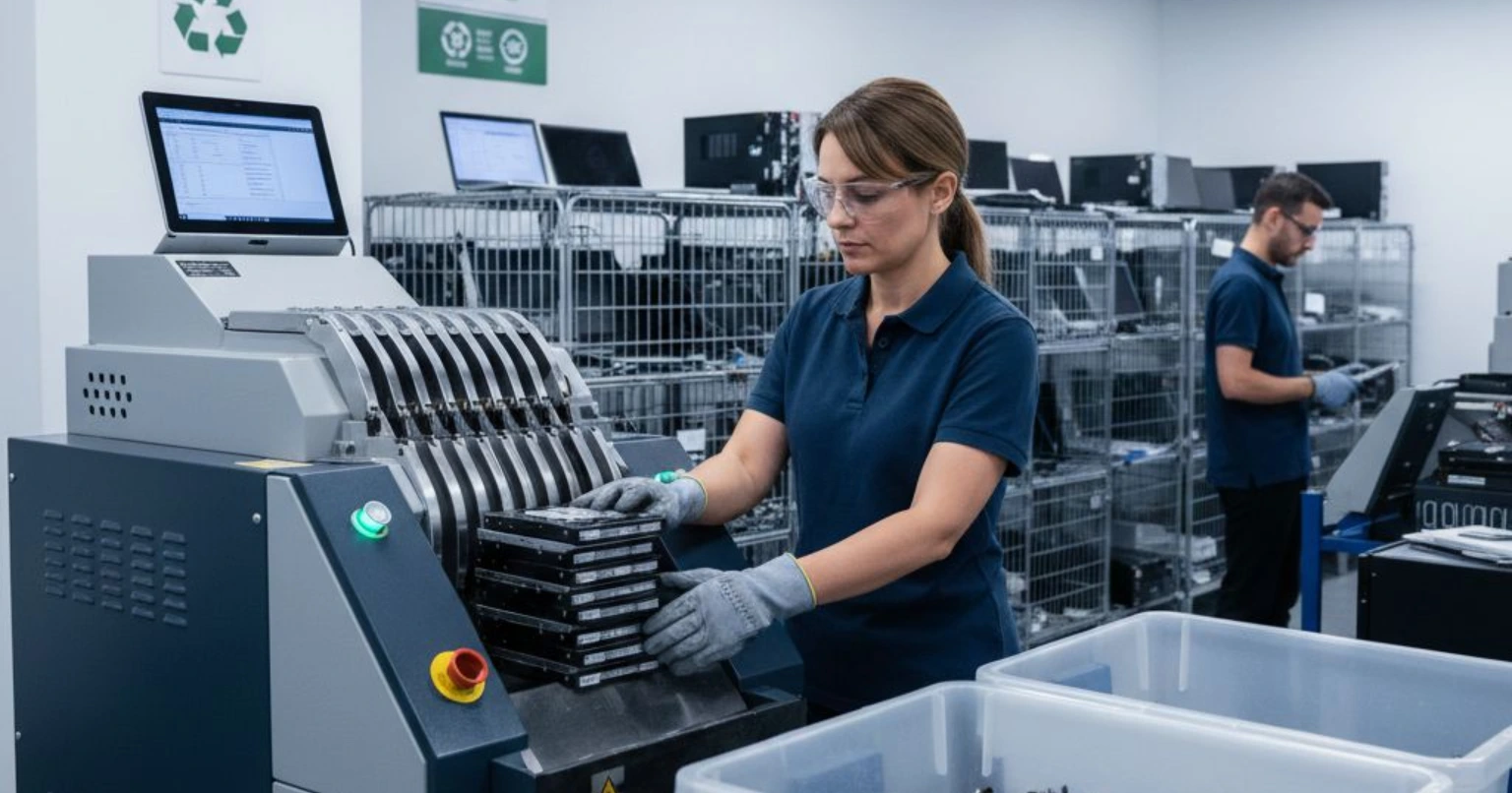
The electronic devices facilitate work, learning, and communication on a daily basis. However, what often crosses the minds of many individuals is what happens when such items malfunction. Old phones, servers, and laptops are likely to have materials that may harm the soil and water in the event they are not properly discarded. An organized recycling system will not only conserve the environment but restore precious resources, which are economically viable.
Both businesses and home citizens of Boston end up producing increasing quantities of obsolete electronics annually. The correct disposal will ensure that hazardous materials do not get into the landfills and stop the necessity to use new raw materials.
Recycling is a process that can make organizations make responsible decisions by understanding the process. The electronics recycling process in Boston is a viable solution to the environment problem that balances between environmental protection and effective reuse of resources.
Stage 1: Collection and Secure Transportation
The initial stage occurs when devices go out of offices, homes or data centers. Collection programs enable companies to collect equipment safely and the daily operations are not disruptive. The scheduled pickups help to see that great volumes of electronics reach the approved recycling channels fast rather than be stored in the storage rooms or waste bins.
Secure transportation plays an important role during this phase. Electronics are susceptible to confidential information and thus, any physical handling is controlled to safeguard physical assets and sensitive information. Skilled personnel wrap up equipment and follow up each item till the processing plant. This process of accountability combined with trust is an organized process that helps in the course of recycling.
Stage 2: Sorting and Initial Inspection
Technicians start sorting the devices according to their type, condition, and material composition once they arrive at the facility. Computers, monitors, networking, devices and mobile devices take other recycling paths. Categorization leads to the high level of efficiency and accuracy of the treatment of every item. This action also determines equipment that is still working and can be used.
Hardware inspection teams are looking at hardware to determine whether it can be repaired or recovered as a component. Reusable equipment enhances the lifetimes of products and minimizes waste. Devices unsuitable to be reused proceed towards material processing. Proper sorting will hold back contamination between the materials and will prepare electronics to the coming step of responsible recycling.
Stage 3: Data Destruction and Asset Protection
One of the most significant concerns in the process of electronic disposal is data security. Confidential or company data is frequently stored in hard drives, memory units and storage devices. Before further recycling is done, certified data destruction procedures eradicate this risk. Data is made inaccessible permanently using preferred wiping and destruction techniques by professionals.
Transparency is supported through documentation at this stage. Companies are assured that sensitive information is eliminated as per accepted standards. This confidence will enable organizations to abide by privacy laws and still win the trust of their customers. Safe data management turns recycling into a waste management service to a trustworthy business.
Stage 4: Material Recovery and Processing
Once data protection has been performed, machinery is transferred to material recovery operations. Technicians destroy devices to single out metals, plastics and circuit pieces. Different types of materials need to be treated in a certain way in order to achieve the highest recovery rate. Copper, aluminum plus precious metals can be repurposed into manufacturing streams rather than wasting as waste.
Developed processing systems purify material collected to be reused. Shredding and separation processes concentrate and separate useful materials without causing much impact on the environment. The responsible recycling facilities strive to retrieve as much of the materials as possible. This phase lowers the levels of demand of mining processes and facilitates more viable production processes in various sectors.
Stage 5: Responsible Redistribution and Final Recycling
The last phase is devoted to providing the materials and refurbished equipment with a new purpose. The functionality devices can be reintroduced in the secondary markets or community initiatives that widen the technology access. Reuse helps in maintaining low costs as well as minimizing environmental pressures due to continuous production of new items.
The non-reusable materials are transferred to certified recycling partners who use them to generate raw materials to be used in the production of other products. Transparent reporting completes the loop by indicating where each component goes. This responsibility makes sure that electronics have a responsible end of their life cycles and are not forming part of a harmful effect on the environment.
How Structured Recycling Supports Businesses and Communities?
An effective recycling system has more than just positive effects on the environment. Businesses enhance their effectiveness in operations when they handle electronic disposal in structured programs. The employees will have more space, less clutter and will not be exposed to risks associated with poor storage of outdated equipment. Corporate sustainability is also enhanced with responsible recycling.
Some benefits are also felt by communities. Minimal landfill waste decreases chances of pollution and enhances clean communities. Recycling programs provide local jobs in recycling, processing, and environmental consulting. Every recycling exercise with success also leads to a larger culture of accountability that should then take care of the long term ecological well being.
Choosing a Trusted Recycling Partner
The choice of the appropriate recycling provider can greatly influence outcomes. Organizations want partners, who know regulatory practices, data protection best practices, and environmentally responsible practices. Quality providers have good communication, reporting and do not change their service quality between collection and the final processing.
GB Solutions Inc. provides end to end recycling solutions that are aimed at making the electronic disposal easier. The logistics, secure treatment and certified recycling processes are handled with accuracy by experienced teams. The tailor made solutions are advantageous to businesses in that they are sustaining to the businesses needs and at the same time ensuring environmental responsibility. A reliable partner made recycling a smooth operation of business.
The Bottom Line
Electronic waste management involves planning, skills and responsibility at all levels. Every stage of the electronics recycling process in Boston related to collecting, transforming final materials into usable forms contributes to safer communities and sustainable use of resources. Organisations which engage in organized recycling procedures secure confidential information, lower the amount of pollution, and show that they possess accountable management in their respective industries.
GB Solutions Inc. is willing to assist organizations throughout the journey of responsible recycling of electronics. The team offers industry experience, and reliable service to provide effective and secure solutions to meet business requirements. Selecting a professional recycling expert can assist the companies in transforming the old technology into green development and enhance future operating trust.