Every business stores large amounts of information. Customer records, employee files, financial documents, and operational data often remain on computers, servers, hard drives, and other devices for years. While data helps companies operate efficiently, holding unnecessary information for too long can create serious risks.
A proper destruction schedule helps businesses stay organized and secure. It also supports environmental responsibility when old devices reach the end of their useful life. Many organizations that use compliant e-waste recycling in Burlington understand that data security and responsible disposal should work together as part of one strategy.
Why Data Destruction Should Be Part of Business Operations?
Data destruction should not be treated as a one time project. Businesses create and store new information every day. As files accumulate, the chances of unauthorized access increase. Old devices can also become vulnerable to theft or misuse.
A structured destruction plan helps organizations remove outdated information before it becomes a liability. It also improves storage management and reduces the burden on IT systems. Companies that regularly review their digital assets can identify devices that no longer serve a business purpose and prepare them for secure disposal.
The Risks of Keeping Data Too Long
Many businesses keep old records simply because they have available storage space. However, unnecessary retention can create security concerns. Outdated files often contain personal details, account information, and confidential company records that could be exposed if devices are lost or stolen.
Unused equipment can create similar risks. A hard drive stored in a closet may still contain years of sensitive information. Without proper destruction procedures, that information remains accessible. Businesses that follow secure disposal practices alongside the electronics recycling process can significantly reduce these risks.
Signs That Your Business Needs a Data Destruction Schedule
Review These Common Indicators
• Storage systems continue to fill up with outdated files.
• Old computers remain in storage areas for long periods.
• Employee devices are replaced regularly.
• Customer records accumulate without retention reviews.
• Compliance requirements demand secure disposal practices.
When these signs appear, a business should evaluate its current approach. Waiting until storage becomes unmanageable often creates additional challenges. Establishing a regular schedule allows organizations to stay ahead of security concerns and maintain better control over information.
A consistent review process also helps businesses identify data that no longer supports operational needs. This creates a more efficient digital environment while reducing unnecessary risks.
How Often Should Data Destruction Take Place?
The ideal schedule depends on the size of the organization, industry requirements, and the volume of information generated. Businesses that handle sensitive customer information may require more frequent reviews than companies with limited data storage needs.
Many organizations benefit from quarterly or semiannual assessments. During these reviews, teams can identify obsolete files, retired devices, and outdated storage media. Regular evaluations help ensure that information does not remain accessible longer than necessary.
The Connection Between Device Replacement and Data Destruction
Technology changes quickly. Businesses often replace computers, servers, laptops, and storage equipment to improve performance and productivity. Every replacement creates an opportunity to remove sensitive information from devices before disposal.
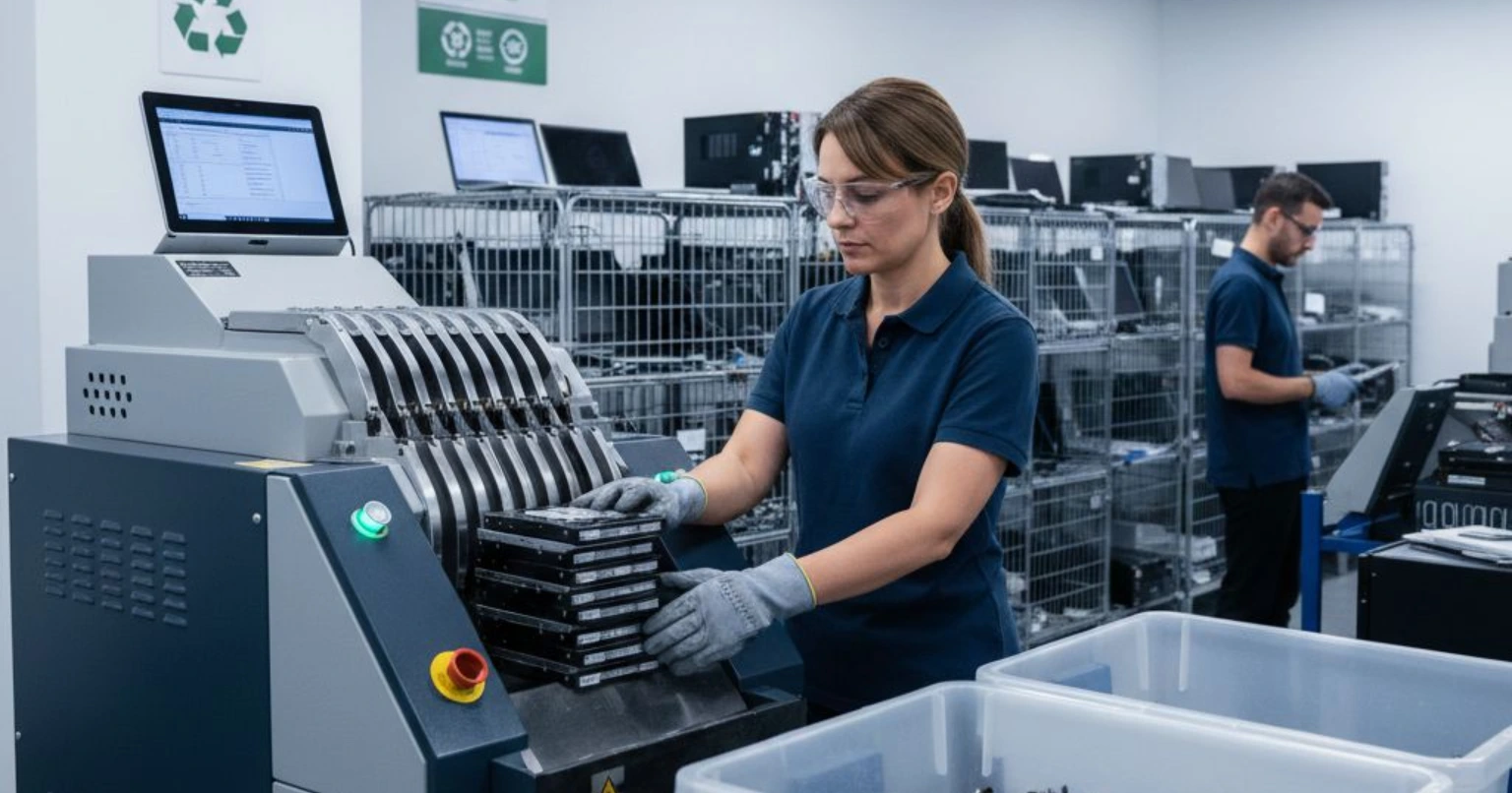
A secure destruction process should occur whenever equipment leaves active service. This approach prevents confidential information from remaining on retired devices. It also supports responsible environmental practices when equipment enters a recycling program.
Organizations that rely on a compliant e-waste recycling service in Burlington often integrate data destruction into their technology replacement plans. This creates a streamlined process that addresses both security and sustainability goals.
Building an Internal Data Retention Policy
A clear retention policy helps businesses determine when information should be deleted or destroyed. Without guidelines, departments may keep files indefinitely, increasing storage requirements and security risks.
The policy should define retention periods for different types of information. Financial records, employee documents, and customer data may each require unique timelines. Once records reach the end of their approved retention period, they can move through a secure destruction process.
An effective policy also improves consistency across departments. Everyone understands when information should be retained and when it should be removed.
Benefits of Scheduled Data Destruction
Key Advantages for Modern Businesses
• Reduced risk of data breaches.
• Better control of digital information.
• Improved compliance readiness.
• More efficient storage management.
• Stronger protection of customer trust.
These benefits extend beyond security. Businesses often discover that regular reviews improve operational efficiency and simplify IT management. Removing outdated information creates a cleaner and more organized environment.
Scheduled destruction also demonstrates a commitment to responsible business practices. Customers and partners appreciate organizations that take information security seriously.
The Role of Employee Awareness
Even the best policies require employee participation. Staff members should understand how data is stored, managed, and removed throughout its lifecycle. Training programs help employees recognize the importance of secure disposal procedures.
Awareness reduces the chances of old devices being forgotten or improperly stored. It also encourages teams to follow retention guidelines consistently. When employees understand their responsibilities, organizations can maintain stronger protection for sensitive information.
Regular communication about security procedures reinforces these habits and supports long term success.
Supporting Environmental Responsibility
Data destruction and environmental responsibility often go hand in hand. When electronic equipment reaches the end of its useful life, businesses must decide how to manage disposal responsibly.
Many organizations combine secure data destruction with compliant e-waste recycling to ensure that retired devices are handled appropriately. This approach helps reduce electronic waste while protecting sensitive information from exposure.
Responsible recycling practices also support sustainability initiatives. Businesses can demonstrate their commitment to environmental stewardship while maintaining strong security standards.
Creating a Long Term Strategy
A successful strategy combines regular reviews, secure destruction procedures, employee awareness, and responsible recycling practices. Rather than waiting for storage problems or security concerns to arise, businesses should establish a proactive schedule.
Periodic assessments help identify files and devices that no longer provide value. By addressing these assets consistently, organizations can reduce risk and maintain better control over their information systems.
Over time, a structured approach creates stronger operational efficiency and greater confidence in data management practices.
To Sum Up,
Data destruction should never be treated as an occasional task. Businesses generate information continuously, and every piece of data has a lifecycle. Establishing a regular destruction schedule helps protect sensitive information, reduce unnecessary storage, and support compliance efforts.
At GB Solutions Inc., businesses can access professional support for secure disposal practices and responsible technology management. By combining data security with the electronics recycling process in Burlington, organizations can create a safer and more sustainable future.
Choosing a trusted partner for a compliant e-waste recycling service helps ensure that retired devices are managed responsibly while protecting valuable business information every step of the way.